
When AI Agents Reach for the Controls
Anthropic's new agent-to-machine standard collapses the gap between AI recommendation and AI action, raising the stakes for industrial verification.
Anthropic's new agent-to-machine standard collapses the gap between AI recommendation and AI action, raising the stakes for industrial verification.
MathWorks' TÜV SÜD-certified guidance for agentic AI in engineering workflows previews how manufacturers will have to govern AI coding agents in safety-critical systems.

MathWorks and FERC are solving the same AI assurance problem from opposite ends, and neither one answers the AI governance question regulators are building next.
As AI takes over hazard detection and shutdown decisions on factory floors, buyers must certify the algorithm, not just the machine guard.
Manufacturers are embedding AI into safety-adjacent control functions faster than certification standards can define how to audit it.
Safety-critical manufacturing is splitting into standards that admit AI as verification evidence and standards that exclude it by design, and buyers need to know which applies.
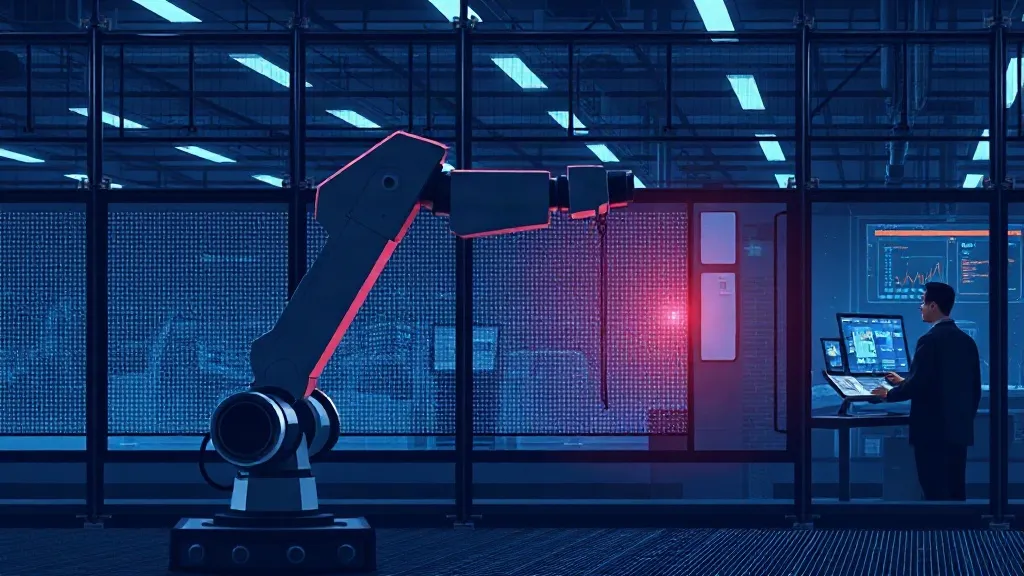
ISO/IEC TS 22440 formalizes how AI intersects with functional safety just as EU AI Act high-risk rules and ungoverned agentic deployments collide on the factory floor.
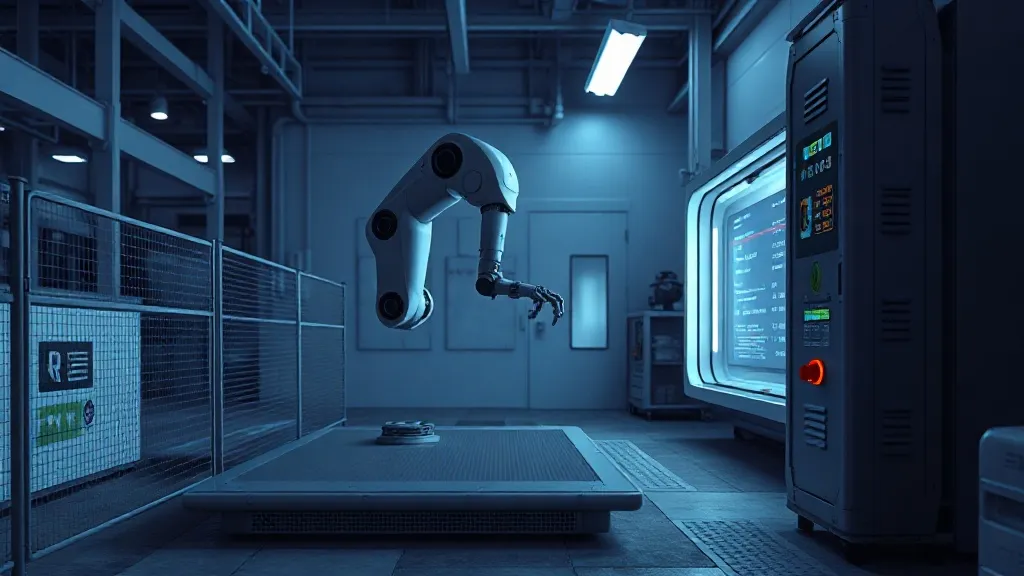
Autonomous industrial and life sciences AI is now acting inside control loops that IEC 61508, EU AI Act risk tiers, and MDR/IVDR were not built to certify.
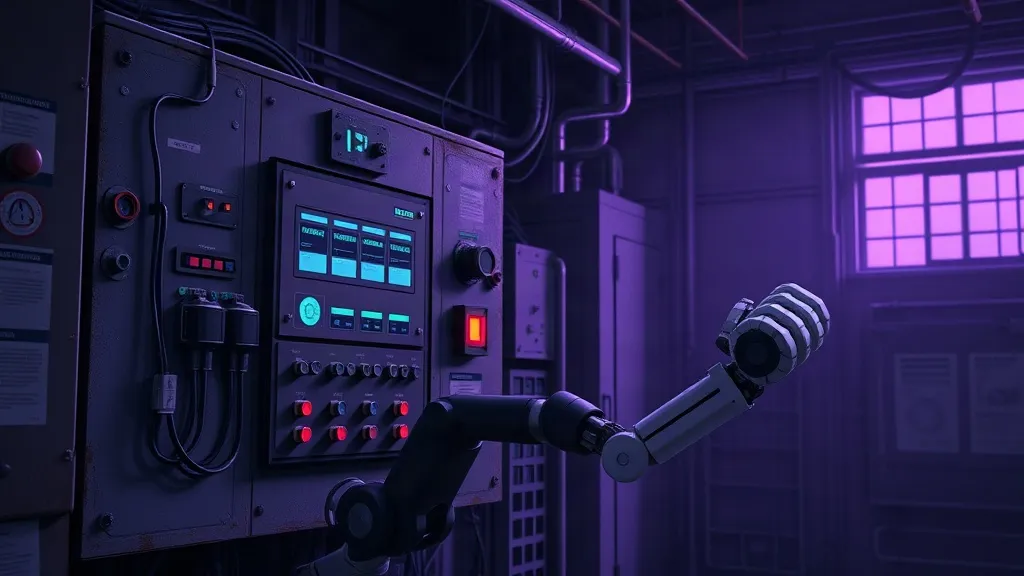
AI-native industrial controllers promise to replace retiring PLC engineers, but the safety case now depends on verifying generated logic, not just trusting it.
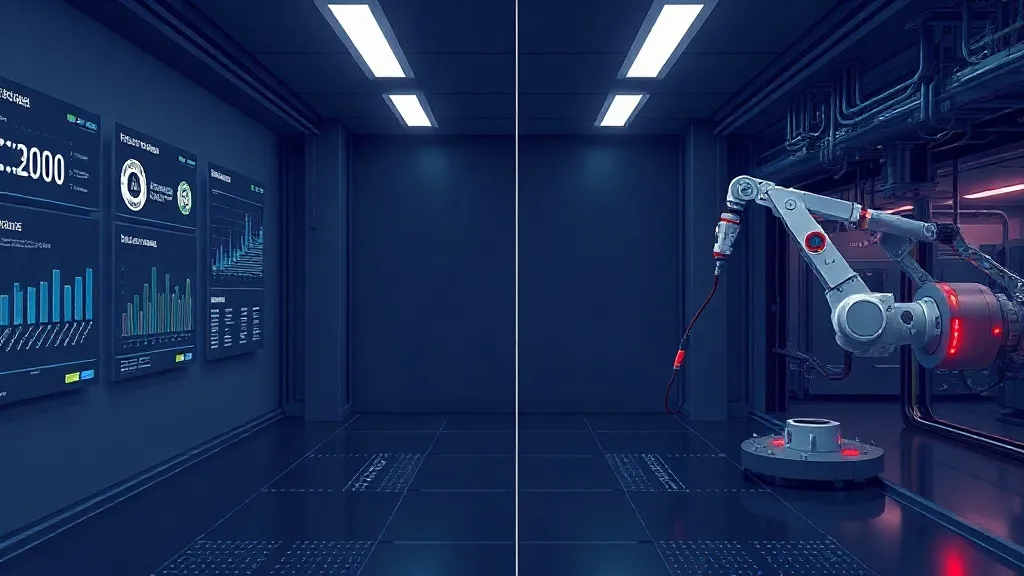
ISO 42001 certifies AI management systems, not real-time physical control performance, and that distinction matters as AI moves into grids, factories, and robots.

Refiners and manufacturers are embedding AI into safety-critical decisions faster than functional safety and cobot standards can validate them.

Refiners and manufacturers are putting AI inside safety-critical decisions, but the verification standards built for deterministic control were never designed for it.
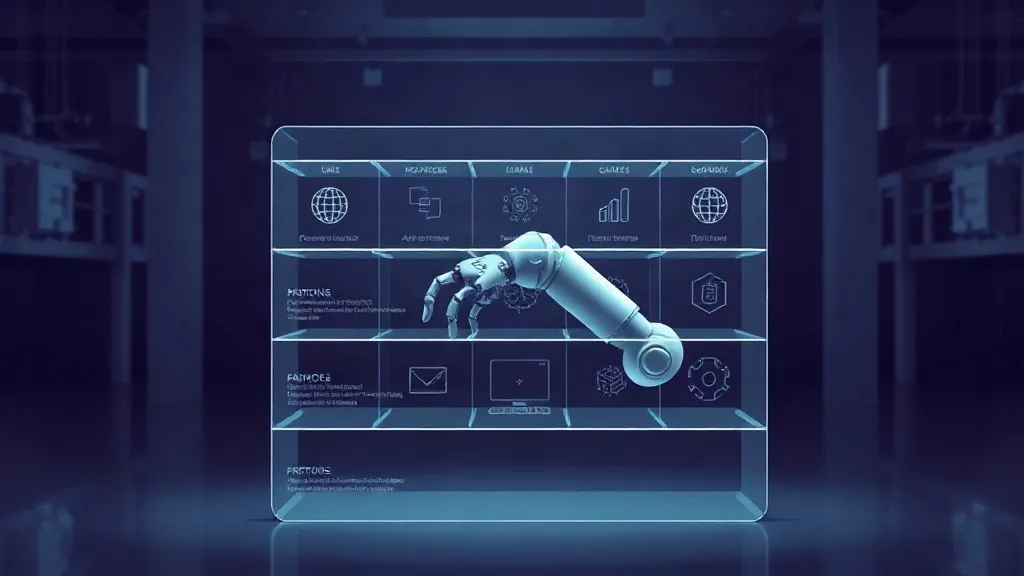
Industrial AI's real growth this week is in engineering tooling and sensing, not in safety-rated control, and that boundary is the diligence question that matters.

Vendors are certifying AI tooling for safety-critical systems while FERC's own CIP audits are finding the AI access risks that certification is supposed to prevent.
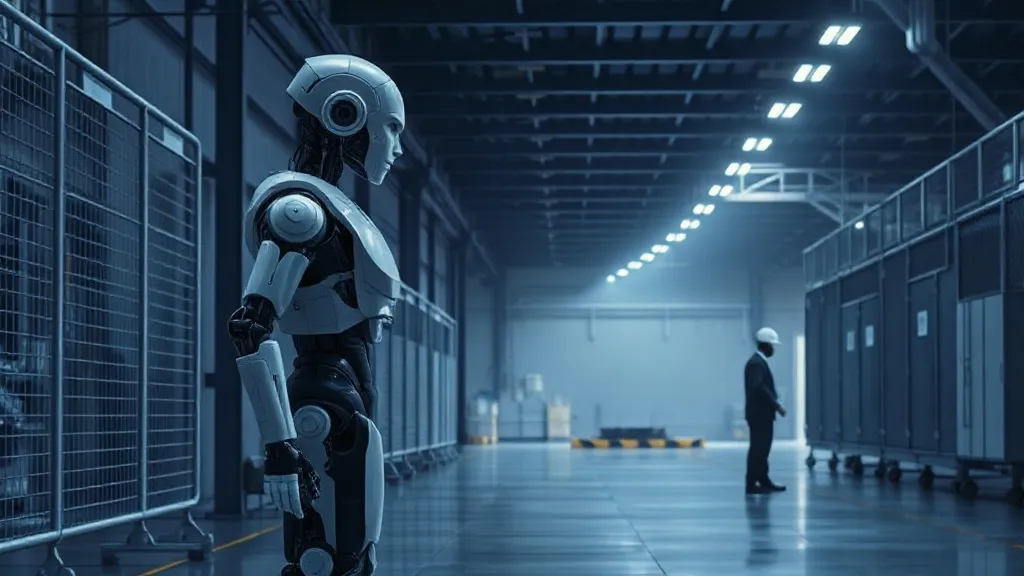
Third-party functional safety certification, not vendor claims, is becoming the real capital gate for deploying autonomous robots on industrial floors without barriers.
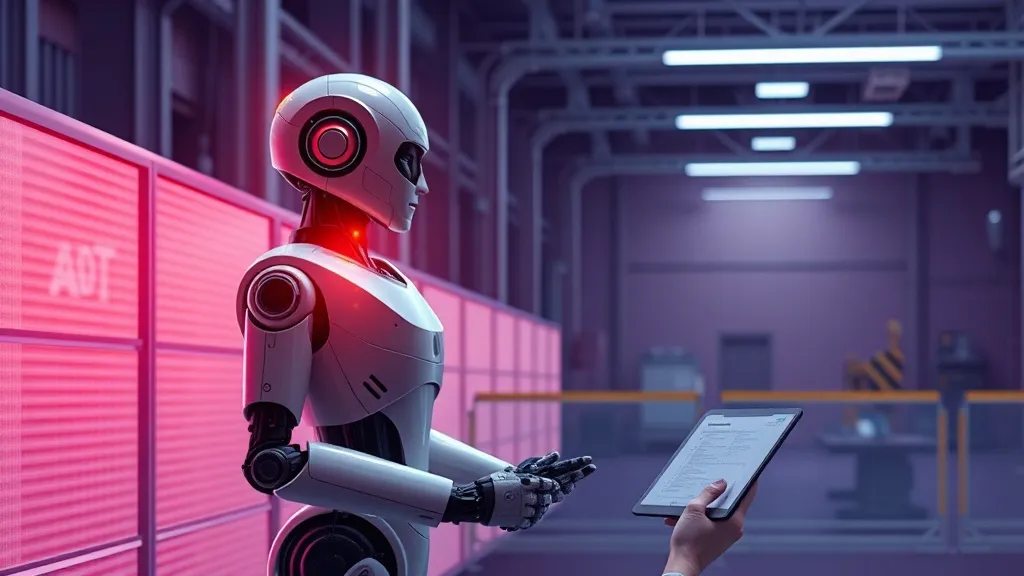
Cooperative safety certification, not AI capability, is now the gating factor for deploying humanoid robots and automation on industrial floors.

FERC's 2026 CIP audit findings put the aviation-grade question of AI inside the control loop onto the power grid and the factory floor.
MathWorks' TÜV SÜD-certified ISO 26262 guidance covers a process, not an AI's output, and buyers across sectors need to know which framework any such credential actually answers.
Utilities wiring AI into grid operations face a governance question that is less about data ownership than about who controls the safety case behind it.
Manufacturers are confusing cyber readiness with AI decision governance, and the emerging ISO/IEC TS 22440 standard shows why the two are not the same problem.
Industrial robotics and machine vision are outpacing safety validation methods built for static, deterministic systems, forcing a shift to continuous lifecycle monitoring.
Global industrial robot deployment is hitting record highs, but the compliance question buyers face is verification under live conditions, not unit counts.